Mealworms for Reptiles A Complete Guide to Feeding, Storage, and Care
🪱 Mealworms A Simple and Reliable Feeder Insect for Reptiles
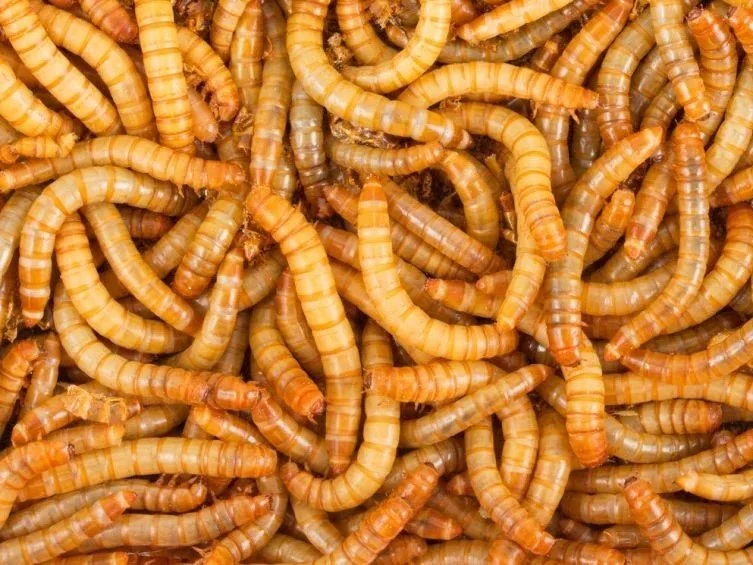
Mealworms are one of the most commonly used feeder insects for reptiles, and for good reason. They’re easy to keep, easy to feed, and a convenient option for many reptiles, amphibians, invertebrates, birds, and even some fish. Whether you’re new to reptile care or have been keeping animals for years, live mealworms are often part of a balanced feeding routine.
At PNW Reptile Bites, we raise our own mealworms in house so we can control their care, cleanliness, and nutrition from start to finish. That means healthier feeder insects and better consistency for your animals.
🥗 Nutritional Value and What Animals Can Eat Mealworms
Mealworms are a good source of protein and fat, making them a useful energy rich feeder when used appropriately. They work best as a supplemental feeder alongside staples like roaches or crickets.
Animals that commonly eat mealworms include leopard geckos, bearded dragons, blue tongue skinks, chameleons, many species of frogs, tarantulas and other invertebrates, birds, chickens, and certain fish.
One thing to keep in mind is that mealworms have a tougher exoskeleton compared to softer bodied feeder insects. Because of this, they should be fed in moderation and not relied on as the sole feeder, especially for younger or more sensitive animals. Proper gut loading helps improve their nutritional value and supports better digestion.
🏡 Why We Raise Our Own Mealworms
We raise our mealworms ourselves because quality matters. Mealworms that are mass produced and shipped long distances are often older, poorly fed, or stressed by the time they reach the customer.
By raising mealworms in house, we know what they’re eating, how they’re maintained, and how fresh they are when they go out the door. This results in stronger, healthier feeders with fewer losses and better results for your reptiles.
🔄 Mealworm Pupation During Shipping What to Expect
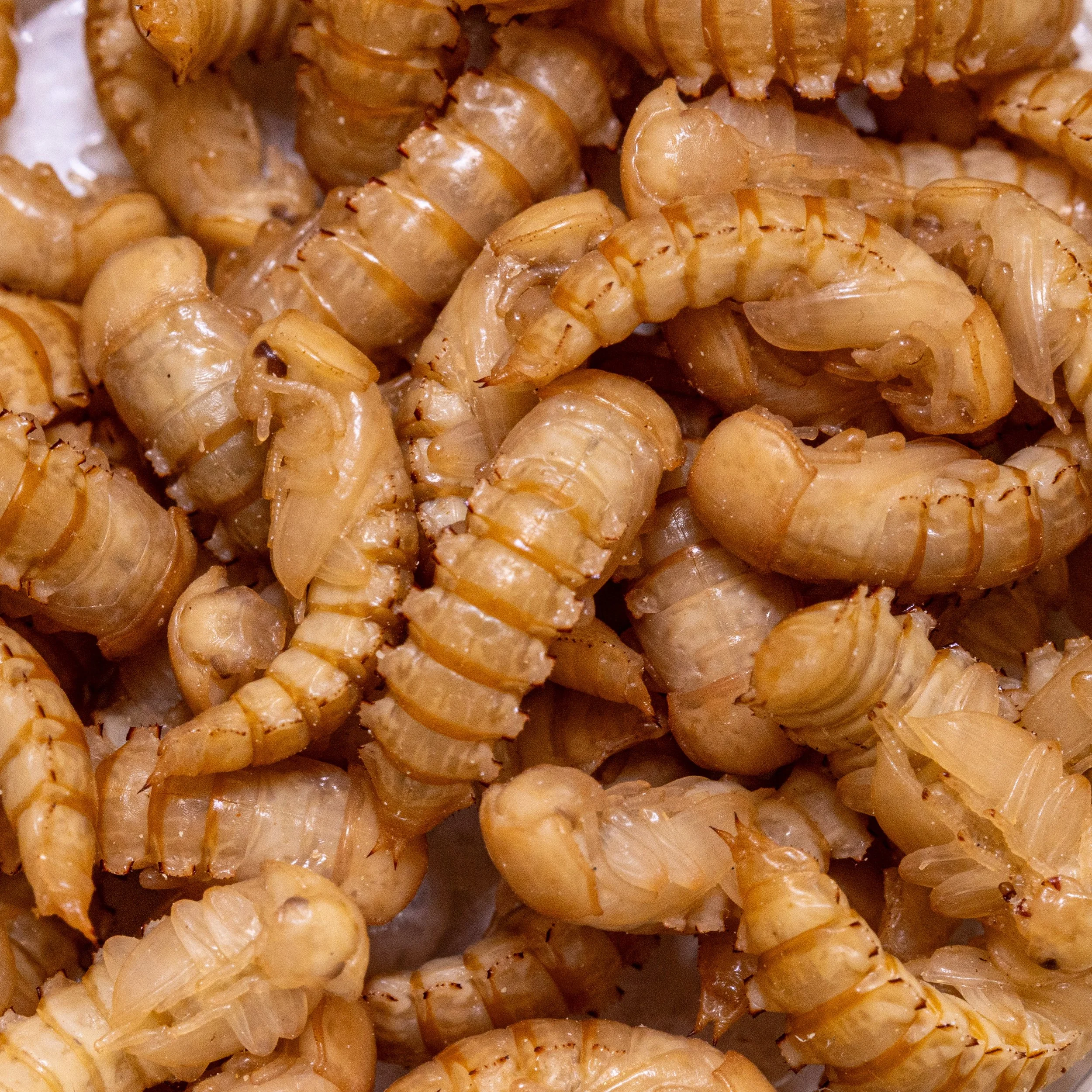
It’s completely normal for some mealworms to pupate during shipping. Temperature changes, movement, and time in transit can trigger part of their natural life cycle.
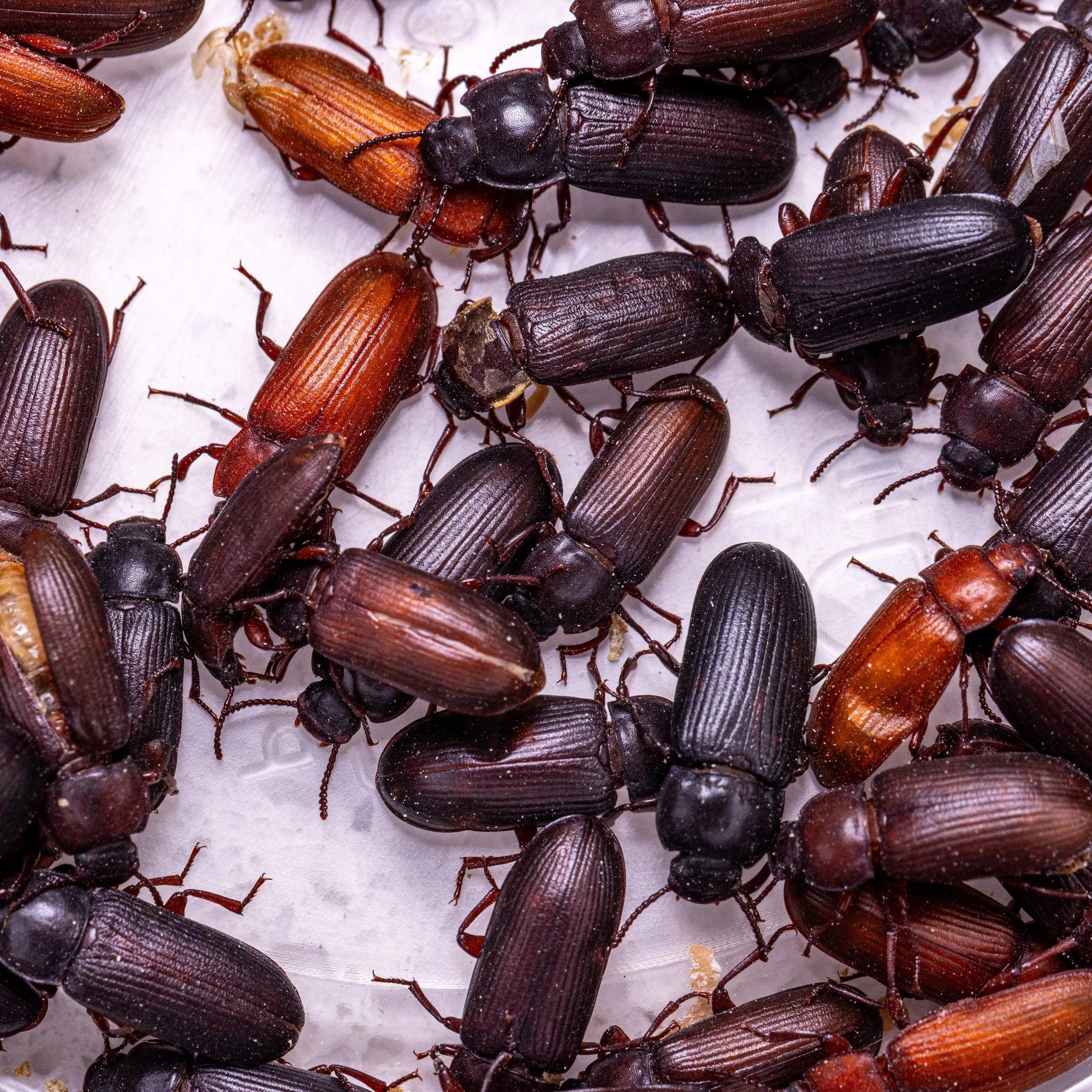
If you receive your live mealworms and notice some pupae, there’s no cause for concern. Pupae are still safe to feed off to many reptiles and invertebrates, and if left alone they will eventually turn into beetles. This is simply part of the mealworm life cycle and not a sign of a problem with your order.
❄️ Feeding Storage and Refrigeration Cycles
To keep mealworms alive and healthy, they need food, moisture, and basic maintenance. We recommend feeding them fresh vegetables like carrots or potatoes. You can also feed them our custom premium bug chow to help keep them well nourished and properly gut loaded before feeding them off.
For short term storage, mealworms can be kept in the refrigerator to slow their growth and delay pupation. A common routine is to take them out of the fridge once or twice per week, allow them to warm up, add fresh food or bug chow, and let them feed for several hours or overnight. After feeding, they can be placed back in the fridge to slow them down again.
Regular maintenance is important. Remove old food before it molds, keep bedding dry, and clean out waste as needed. Simple upkeep goes a long way in keeping mealworms healthy and usable longer.
⏱️ How Long Mealworms Last Before Pupating
At room temperature, mealworms will naturally begin to pupate within a few weeks, depending on temperature, food availability, and overall conditions. Warmer temperatures and abundant food speed this process up.
When kept refrigerated and properly maintained, mealworms can often be kept for several weeks to over a month before significant pupation occurs. Some pupation is always normal, but refrigeration and routine care help slow the process and extend their usable life.
🧪 Raising Your Own Mealworms
Mealworms are one of the easiest feeder insects to raise at home with minimal space and equipment. Many keepers choose to raise their own to maintain a steady supply.
Raising them properly still requires time, cleanliness, and routine care. We’ll be covering how to raise your own mealworms step by step in a future blog for anyone interested in doing it themselves.
🛒 Ready to Try Mealworms from PNW Reptile Bites?
If you’re ready to add mealworms to your feeding routine, we offer clean, well maintained mealworms raised in house with quality and consistency in mind. Our mealworms are carefully fed, monitored, and packaged to arrive healthy and ready to use.
We also offer our custom premium bug chow to help you keep your feeders well nourished and properly gut loaded at home.
You can find our current availability, along with other live feeders and supplies, on our website.
🦎 Final Thoughts
Mealworms are a reliable and versatile feeder insect when used correctly. Understanding their nutrition, life cycle, and care helps you get the most out of them while keeping your reptiles and other animals healthy.
If you’re looking for clean, well maintained live mealworms raised with care, you can find ours available on our website.
Thanks for supporting small businesses and trusting us with your reptiles.
✍️ Written by Fritz Rivera – Owner of PNW Reptile Bites
🐍 Feeder insects, Chameleons, Geckos, reptile supplies, and gut loads that work
📧 ReptileBites@outlook.com
🌐 www.PNWReptileBites.com
📱 Follow us on Facebook and Instagram for updates & restocks:
📘 Facebook | 📸 Instagram